Create Instance
Create Instance in Cuemby Cloud
A Compute Instance is a virtual server in the cloud that functions similarly to a physical computer. It has its own CPU, memory, and storage, allowing you to install software, run applications, or host websites. With a Compute Instance, you have complete control over your server environment, making it flexible for various tasks. Compute Instances are a fundamental component of cloud services, enabling users to quickly launch and scale servers as needed.
Creating a Compute Instance on Cuemby Cloud
This guide provides step-by-step instructions for creating a cloud server instance, which offers flexible and scalable computing power for running applications, managing volumes, and adapting resources to your needs.
- From the left-hand menu, click on the Instances tab.
- You will be redirected to the Instances page.
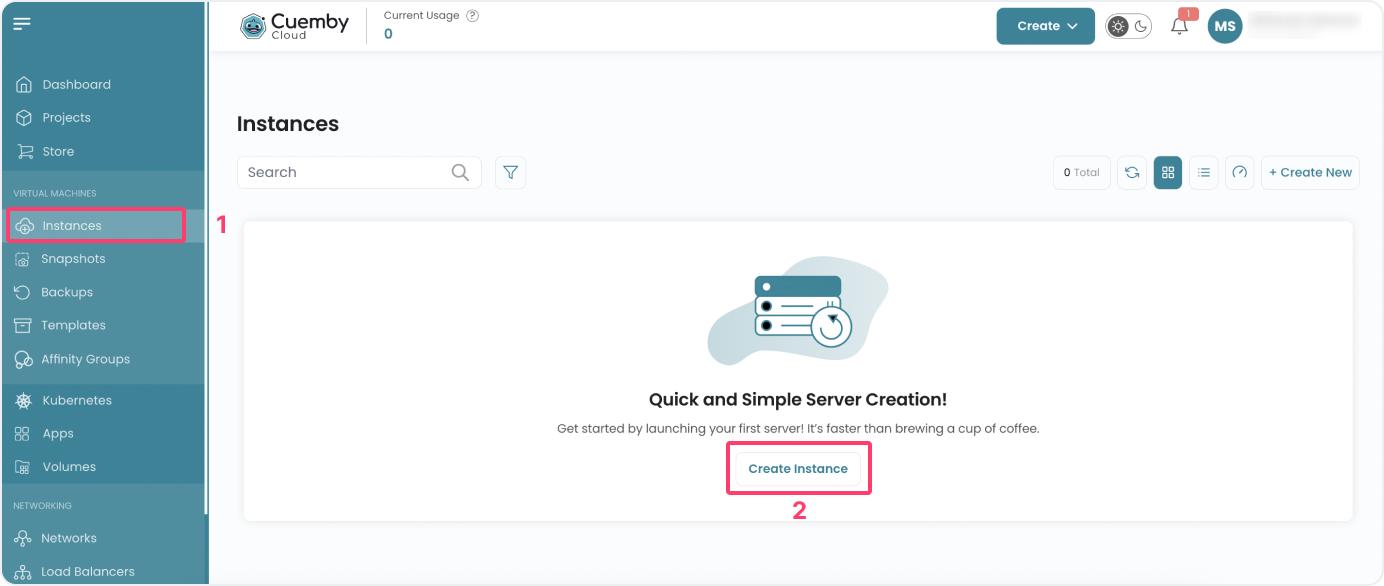
- To create an instance, click on the Create Instance icon located inside the modal of the Instances page. This will open the Instance creation page.
Choose a Project

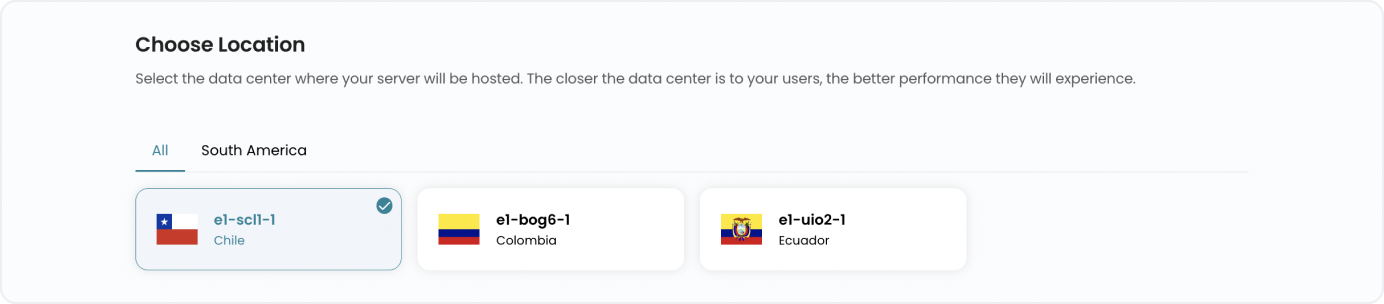
Choose a Location
- Select the data center location where your server will be physically hosted.
- Choose from the available locations listed.
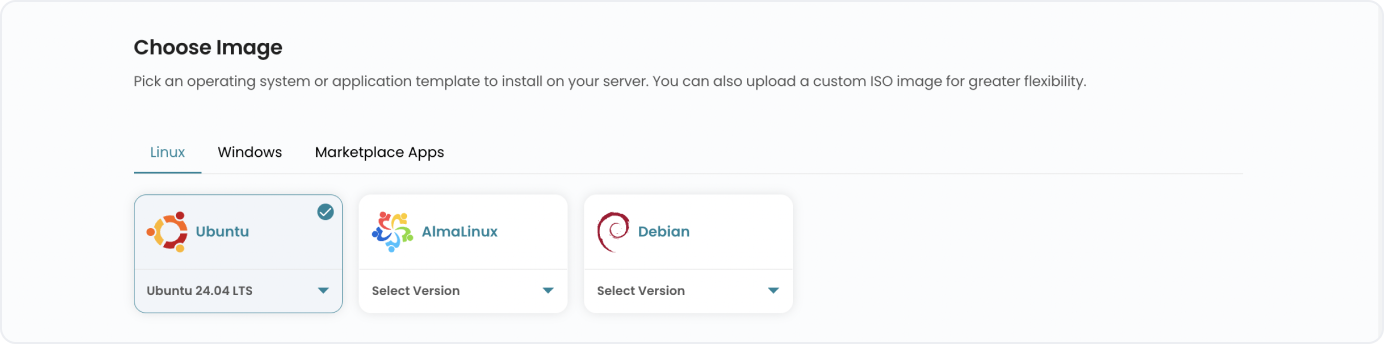
Choose an Image
- Select an operating system or application template to install on your server.
- Available options include popular OS images. Alternatively, you can import a custom ISO.
Choose a Plan
- Choose a plan based on your requirements like CPU, memory, storage, and bandwidth. You can also create a custom plan if needed.
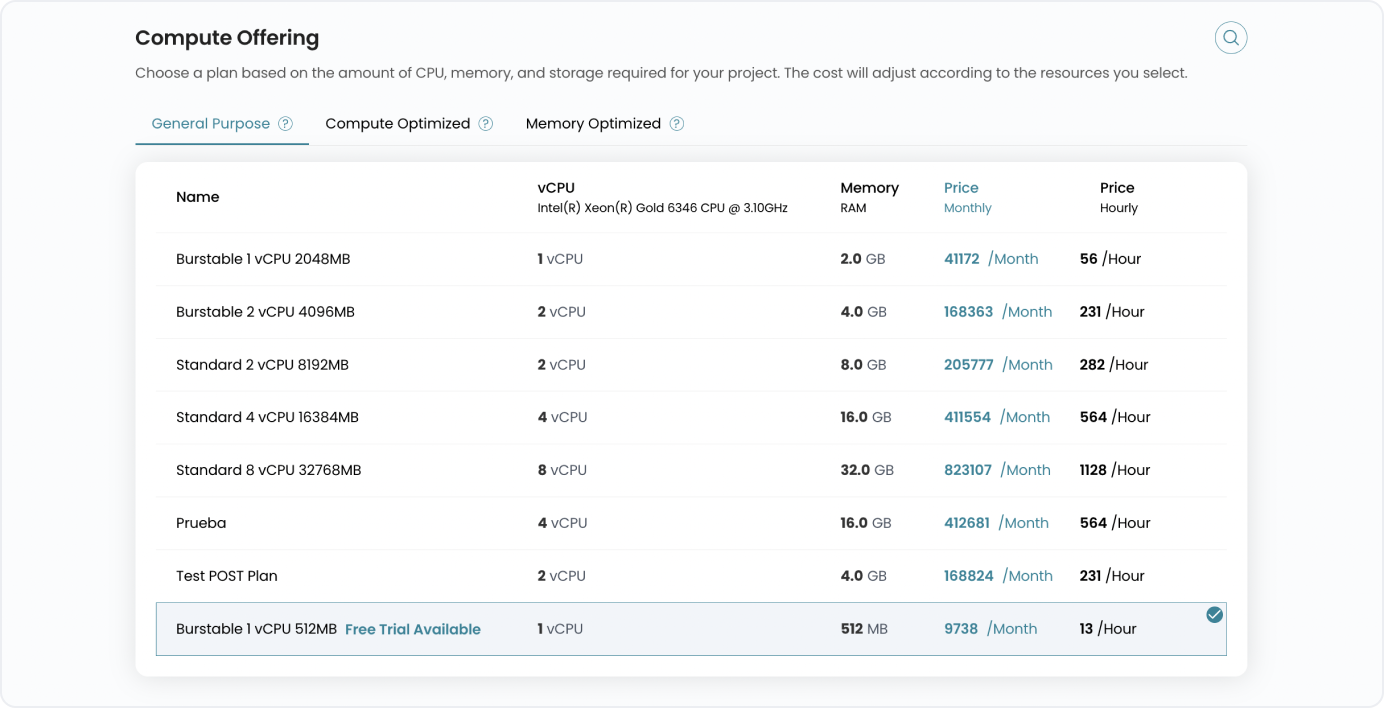
- General Compute (GC): Balanced workloads with a mix of CPU, memory, storage, and bandwidth. Ideal for general-purpose applications, web servers, and testing environments.
- Compute Optimized (CO): Prioritizes CPU performance for compute-intensive tasks like batch processing, analytics, and high-speed processing workloads.
- Memory Optimized (RO): Tailored for applications requiring high memory capacity, such as in-memory databases, big data processing, and real-time caching systems.
Choose your Disk Offering
- Assign the server to one of your projects to organize and manage resources effectively.
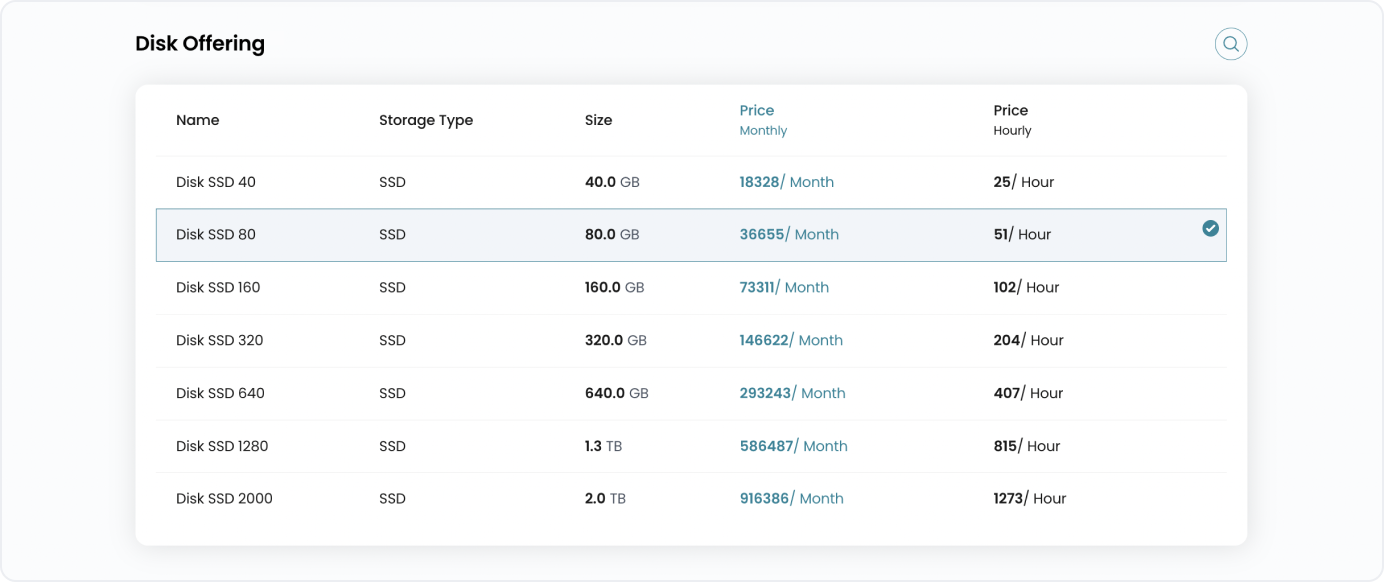
Choose a Network
- Select the network for your instance based on your connectivity and security needs. For more details about available network options, refer to the respective network guides.

- Elastic Network: A simple, pre-configured network that includes built-in cloud firewall protection, port forwarding, and remote access VPNs for easy external connectivity.
- VPC Network: A Virtual Private Cloud (VPC) offering complete control over traffic routing and enhanced security. Supports VPN gateway, site-to-site VPN connections, and traffic segregation for better security and performance. Note: By default, a VPC is created with a random CIDR block and one network tier.
- You can choose whether to enable public IPv4 for internet access to your server.

Create Affinity Groups (Optional)
- Control the placement of virtual machines (VMs) on hypervisor hosts.
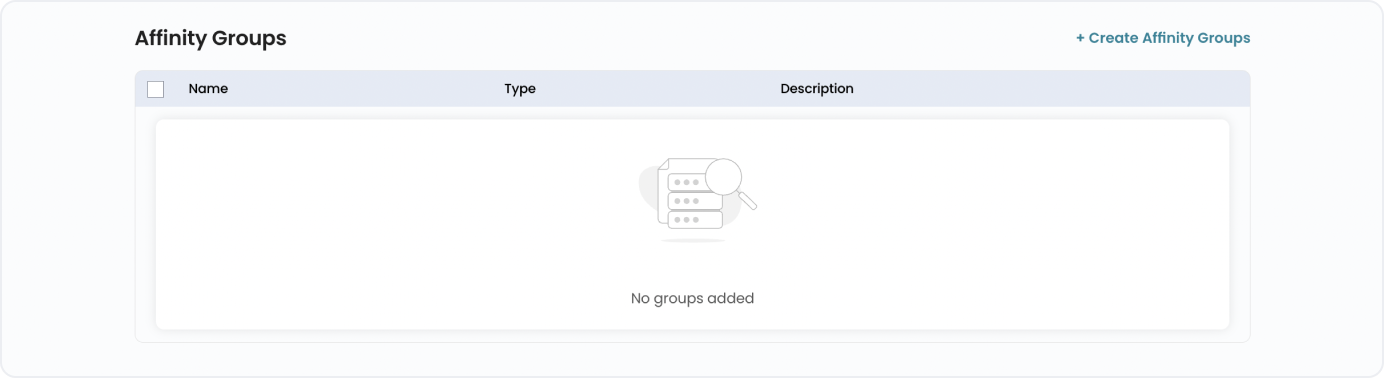
Configure Server Settings
- Configure additional settings for your server:
- Add SSH Key for secure access. Click on Add Now to add an SSH key.
- Note: For some OS images, such as Arch Linux, an SSH key is required because password login is not supported.

- Add the name of the SSH key with the key value and click Add SSH Key.
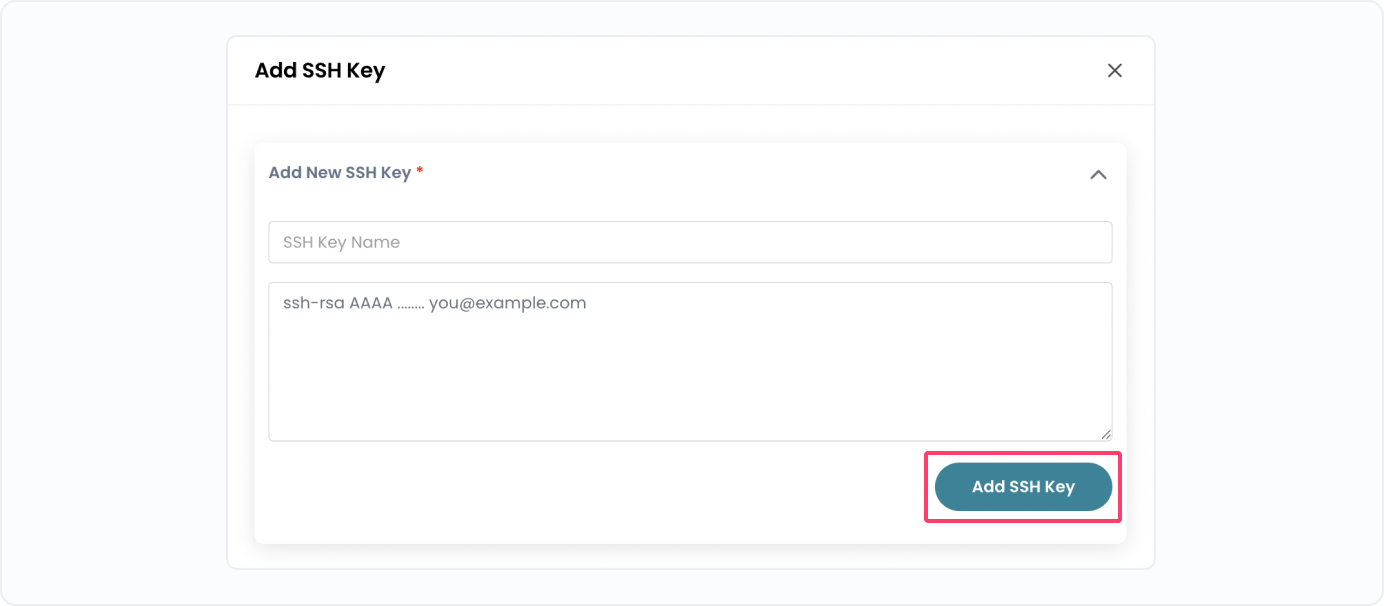
- Add a startup script to automate specific actions during instance initialization. Click on Add Now to add a startup script.

Advanced Settings (Optional)
- Configure additional VM settings for optimized performance, security, and flexibility by enabling Advanced Mode.

- Boot Mode: Select Legacy or Secure boot for system startup security.
- Boot Type: Choose between UEFI (modern firmware) or BIOS (traditional firmware).
- Enable Dynamic Scaling: Allows automatic resource scaling based on workload demands.
Server Hostname
- Provide a unique Server Name and a valid Server Hostname for your instance to identify it easily in your dashboard.

Review and Deploy
- It supports multiple instance packages such as General Purpose, Compute-Optimized, and Memory-Optimized. These options allow users to choose configurations tailored to their workload performance and memory needs.
- Verify all the configuration details and review the price summary. Click on Review & Deploy to create the instance.

Conclusion
By following this guide, you can configure your instance to suit your specific needs, whether for development, production, or specialized workloads. Regularly review and optimize your instance settings to ensure efficient resource utilization and enhanced performance. For further assistance, explore the Cuemby Cloud documentation or reach out to support.